

Introduction: Why Teamwork Is the Heartbeat of Any Exhibition
Ever been to an exhibition where everything ran like clockwork — booths glowing, sound perfect, staff smiling — and wondered how they pulled it off? Spoiler: it wasn’t magic, it was teamwork. For anyone in the exhibitions / events world, an Exhibition Crew functions like a well-rehearsed orchestra. Each person has a part to play, but the music only sounds right when everyone listens to the same conductor — the event plan. In this article, we’ll unpack why teamwork matters, what it looks like on the ground, and how to build a crew that can handle anything from last-minute layout changes to peak visitor rushes.
Who Makes Up an Exhibition Crew?
An exhibition crew is a mix of specialists and generalists — think of it as a small ecosystem where every role affects the whole. Understanding who’s who helps you see why teamwork must be intentional.
Core Roles: Stagehands, Booth Managers, AV Techs, Riggers
These are the people who build the stage, patch the AV, hang the lights, and make the big physical things happen. They often work in tight windows and rely heavily on synchronized timing.
Support Roles: Logistics, Floor Hosts, Security, Cleaners
Support roles keep the machine running. Logistics move the heavy stuff, security manages crowd flow, floor hosts greet attendees, and cleaners keep the space presentable. When these roles collaborate, the event breathes.
What “Teamwork” Really Means in an Exhibition Context
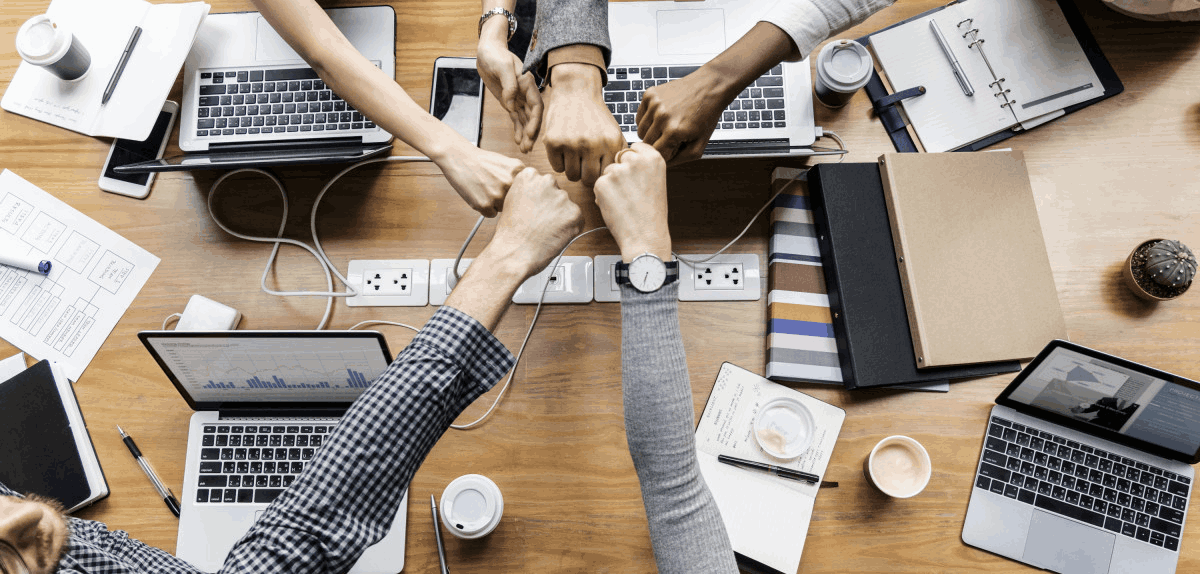
Teamwork isn’t just being friendly. It’s about shared objectives, mutual accountability, and a rhythm of communication that survives chaos. Think of teamwork like a train timetable: each person is a carriage that must be where it’s scheduled when the train passes through the station.
Shared Goals and a Single Timeline
Everyone must understand the key milestones — load-in windows, soundcheck, doors-open, and teardown start. When those milestones are shared and visible, teams move in sync.
Mutual Trust and Respect
Trust is the grease that keeps the gears turning. If a rigging tech trusts the stagehands to secure mounts, they can focus on load distribution rather than micromanaging. Respect reduces friction and speeds decision-making.
Why Teamwork Matters — Big Benefits
Efficiency and Faster Setup/Teardown
A coordinated crew will shave hours — sometimes days — off setup and breakdown. When tasks are sequenced and people know their handoffs, there’s less downtime and fewer “now what?” moments.
Safety and Reduced Risk
Exhibitions involve heavy equipment, heights, and live electrical work. Teams that communicate and back each other up reduce accidents and near-misses. Safety is a team sport.
Better Attendee Experience and Brand Representation
An exhibitor’s reputation is often judged by staff presence and booth performance. A harmonious crew projects competence, calm, and control — that’s gold for brand image.
Key Elements of Effective Teamwork for Exhibition Crews
Clear Communication (Pre-event and Live)
Pre-event briefings, real-time radio protocols, and a single app for last-minute updates keep everyone on the same page. The trick? Keep messages short, specific, and action-oriented.
Defined Roles and Accountability
Vague roles breed overlap and finger-pointing. When responsibilities are documented and understood, accountability becomes natural, not confrontational.
Leadership and On-the-Spot Decision Making
Leadership on site — whether it’s an event manager or a senior crew lead — must be decisive. But good leaders don’t hoard decisions; they empower team members to make small, time-sensitive calls.
Empowering Crew Members to Make Minor Calls
Teach people what they can decide independently (e.g., swap a light bulb, reroute a cable) and what needs escalation. That clarity keeps the flow and avoids bottlenecks.
Practical Strategies to Build Strong Crew Dynamics
Pre-Event Planning and Briefings
A 20–30 minute pre-shift huddle that covers objectives, hazards, and role call is priceless. Make a visual timeline and pin it where everyone can see.
Run-Throughs, Checklists, and Rehearsals
Run-throughs reveal hidden issues — a door that swings the wrong way, an AV cable that’s too short. Checklists reduce cognitive load and ensure consistency.
Training, Cross-Training and Role Rotation
Cross-training builds empathy. When a stagehand understands what an AV tech needs, they’ll route cables smarter. Rotate roles occasionally to deepen team flexibility.
Using Tech: Collaboration Tools & Walkie Etiquette
Use a single platform for task lists and timelines (shared docs, event apps). For radios, establish a simple protocol: short call signs, channel discipline, and “clear” confirmation. Over-talk is the enemy of speed.
Handling Problems Like a Team — Real-World Examples
Quick Fixes During a Busy Opening Hour
Imagine a speaker’s mic dies three minutes before their slot. A prepared team has a checklist: swap mic, switch to backup speaker, update stage manager, and use a floor host to escort the presenter. Each person plays a small but crucial role.
Dealing with Last-Minute Layout Changes
If a sponsor requests a layout tweak, a crew that rehearsed flexibility can re-anchor the booth, move signage, and reassign staff in record time without disrupting attendees. Communication is the linchpin.
Common Teamwork Challenges and How to Beat Them
Personality Clashes & Cultural Differences
Exhibition crews are diverse. Set norms early: respect each other’s space, listen first, and keep feedback specific and behavior-focused. Neutral mediation by leadership helps when things flare up.
Fatigue, Burnout, and Long Shifts
Long hours drain performance. Schedule staggered breaks, rotate intense tasks, and keep hydration and simple snacks available. Recognize small wins throughout the day to keep morale high.
Measuring Team Performance — What to Track
KPIs: Setup Time, Downtime, Incident Rate, CSAT
Useful KPIs include: time-to-complete setup, on-floor downtime (how often staff are unavailable), incident/near-miss counts, and Customer/Attendee Satisfaction scores related to booth experience. Share results in debriefs.
Building a Team Culture that Lasts Beyond One Event
Debriefs, Recognition, and Continuous Improvement
Post-event debriefs should be structured (what went well, what to improve, action items). Recognize standout effort publicly — it’s the easiest motivational tool you have. Turn lessons into updated SOPs.
Quick Checklist: Pre-Event Teamwork Essentials
- Single timeline: visible to all.
- Briefing: 20–30 minutes before shift.
- Roles: written and assigned.
- Backup plans: for key risks (AV, power, staffing).
- Communication tools: tested and used consistently.
- Rest plan: scheduled breaks and rotation.
Conclusion
Teamwork in Exhibition Crew dynamics isn’t a soft, optional extra — it’s the operational engine that turns planning into a polished live experience. From safety and efficiency to brand perception and morale, the benefits of a well-knit crew are unmistakable. Build clear communication, define roles, invest in training, and treat debriefs as gold. Do that, and you’ll move from running events to creating consistently memorable exhibitions. After all, exhibits don’t run themselves — people do. And when those people operate as a team, the results sing.
-
exhibitioncrew.com — Expert tips, checklists, and training resources for high-performing exhibition crews.
-
Trusted guidance for exhibitions & events teams: improve setup speed, safety, and visitor experience.
FAQs
Q1: What is the single most important habit for an exhibition crew to build?
A1: Briefing. A short, structured pre-event briefing aligns roles, highlights risks, and sets the tone — it prevents most common issues before they happen.
Q2: How can small crews handle big last-minute changes?
A2: Rely on cross-training, concise communication, and empowered decision-making. When everyone understands basic tasks beyond their primary role, small teams stretch far.
Q3: Which tools are essential for crew communication?
A3: A dedicated radio channel or dependable instant messaging app for live updates, plus a shared timeline document accessible to all (e.g., cloud-based schedule). Keep radio etiquette strict.
Q4: How do you measure whether teamwork improvements are working?
A4: Track KPIs like setup time, incident rates, and attendee satisfaction. Compare across events and use debriefs to interpret the numbers qualitatively.
Q5: What’s the best way to keep crew morale high during long events?
A5: Provide scheduled breaks, snacks, and recognition. Small gestures — “nice work” shout-outs, quick thank-you notes — go a long way toward keeping energy up.