
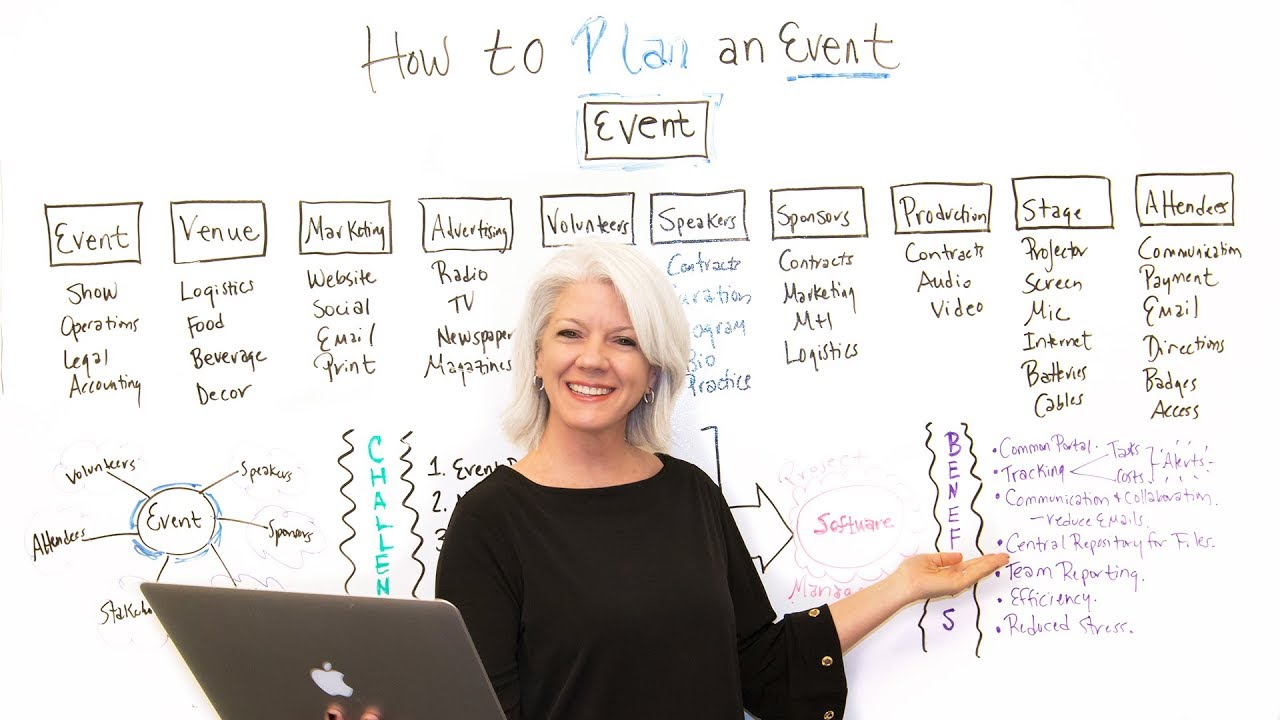
Planning an event, whether it’s a trade exhibition, corporate gathering, or a community celebration, can feel like juggling flaming torches while riding a unicycle. But with the right strategy, you can turn chaos into a seamless, unforgettable experience. In this guide, we’ll break down everything you need to know to plan successful events that leave attendees raving.
Understanding the Importance of Event Planning
Before diving in, let’s talk about why careful planning is a game-changer. A well-planned event isn’t just about logistics; it sets the tone, creates memorable experiences, and ensures goals are met efficiently. Imagine running an exhibition where booths are scattered randomly, and speakers are constantly delayed—chaos, right? Proper planning prevents that.
Setting Clear Goals for Your Event
Defining Purpose
Every successful event begins with a clear objective. Are you aiming to generate leads, launch a product, celebrate milestones, or build community engagement? Your purpose dictates every other decision—from venue to speakers.
Identifying Target Audience
Knowing your audience is crucial. Ask yourself: Who will benefit most from attending? What are their interests, demographics, and expectations? Tailoring your event to your audience ensures higher attendance and engagement.
Budgeting Like a Pro
Estimating Costs
Budgeting isn’t glamorous, but it’s essential. Start by listing every possible expense—venue, catering, staffing, marketing, tech, and miscellaneous fees.
Allocating Funds Wisely
Prioritize spending on high-impact areas, like venue experience and guest engagement. Don’t forget a contingency fund for unexpected costs. Remember, a little overspending now can save you from chaos later.
Choosing the Right Venue
Location Factors
Accessibility is key. Choose a venue close to public transport, parking, and accommodation if attendees are traveling.
Venue Capacity and Amenities
Make sure the space fits your guest list comfortably. Check for tech support, seating arrangements, and breakout spaces for workshops or networking.
Building a Winning Event Team
Roles and Responsibilities
From project managers to volunteers, assigning clear roles avoids confusion. Each member should know their duties inside out.
Communication Strategies
Regular meetings, shared tools like Slack or Trello, and transparent checklists keep everyone aligned and reduce mistakes.
Crafting an Engaging Event Agenda
Scheduling
Balance content delivery with breaks. Overloading sessions can exhaust attendees, while too many gaps can cause disengagement.
Balancing Content & Networking
Include networking sessions, interactive workshops, and keynote speeches. The best events mix learning with social engagement.
Leveraging Technology for Events
Event Management Software
Tools like Eventbrite, Cvent, or Bizzabo simplify registration, ticketing, and analytics tracking.
Virtual & Hybrid Solutions
With hybrid events becoming the norm, streaming capabilities and interactive online features extend reach beyond physical attendees.
Marketing Your Event Effectively
Social Media Strategies
Create buzz on LinkedIn, Instagram, and Facebook. Use event hashtags and countdowns to maintain excitement.
Email Campaigns
Personalized emails with clear CTAs can boost registrations and build anticipation.
Influencer & Partner Promotions
Collaborate with industry influencers or partner organizations to expand reach. A trusted voice promoting your event adds credibility.
Registration and Ticketing Tips
Simplifying Sign-ups
A complicated registration process can deter attendees. Keep it short, intuitive, and mobile-friendly.
Early Bird Incentives
Encourage early sign-ups with discounts or exclusive perks. It helps with cash flow and event forecasting.
On-Site Event Management
Checklists & Timelines
From setup to teardown, a detailed checklist ensures nothing falls through the cracks. Assign a timeline for each task.
Managing Logistics
Coordinate vendors, tech support, and staff to prevent last-minute hiccups. Preparedness reduces stress for everyone.
Creating Memorable Experiences
Entertainment & Activities
Live demos, interactive zones, and fun activities keep energy high. Think of it as seasoning—a little extra spice goes a long way.
Engaging Attendees Personally
Greet guests warmly, provide helpful guides, and make each attendee feel valued. Personal touches create lasting impressions.
Measuring Event Success
KPIs and Metrics
Track attendance, engagement levels, social media mentions, and ROI. Numbers give insight into what worked and what needs improvement.
Gathering Feedback
Post-event surveys and interviews provide qualitative data. Ask honest questions to refine future events.
Common Mistakes to Avoid
Planning Pitfalls
Skipping early planning or underestimating timelines leads to stress and errors.
Budget Overruns
Avoid overspending by sticking to your budget and monitoring expenses in real time.
Poor Communication
Miscommunication can derail your event. Regular updates and clear instructions are non-negotiable.
Tips from Expert Event Planners
- Start planning 6–12 months ahead for large exhibitions.
- Use analytics from past events to guide decisions.
- Engage attendees pre- and post-event for better retention.
- Keep a flexible mindset—unexpected changes happen.
Conclusion
Successful events are no accident—they result from meticulous planning, creativity, and teamwork. By understanding your audience, budgeting wisely, leveraging technology, and crafting memorable experiences, you can host exhibitions and events that leave lasting impressions. Remember, it’s not just about managing logistics—it’s about creating moments people remember.
FAQs
Q1: How early should I start planning an exhibition?
Ideally, 6–12 months ahead for large events. Smaller events can start 3–6 months in advance.
Q2: What’s the best way to engage attendees online?
Interactive polls, live Q&A sessions, and virtual networking zones work wonders for online engagement.
Q3: How can I measure event ROI effectively?
Track registration numbers, attendee feedback, social media engagement, and post-event sales or leads.
Q4: What are common mistakes in event planning?
Poor communication, inadequate budgeting, and lack of contingency plans are top pitfalls.
Q5: Should I hire a professional event management team?
For exhibitions and large-scale events, hiring experts can save time, reduce stress, and ensure smoother execution.
-
Your event success starts with a strong team and clear goals. Trust the experts to guide you through every step.
-
Streamline your event planning process with checklists, tech tools, and a dash of creativity for unbeatable results.