

Introduction — why tech is the backbone of modern Events
Welcome to the golden age of Events — where a handful of smart tools can turn a chaotic trade show or exhibition into a seamless, memorable experience. If you’ve ever walked into an exhibition and wondered how the lights, badges, schedules, and live-streams all came together without a hitch, you’ve seen technology quietly doing its job. This article explains, in plain language, how technology shapes modern event management and why organizers and exhibitors should care.
Why Technology Matters in Events
Technology isn’t just a set of tools — it’s the nervous system of an event. It speeds up planning, tightens logistics, enhances attendee experience, and helps organizers prove ROI to sponsors. Think of it as the difference between using paper maps and GPS; both get you there, but one makes the trip predictable and stress-free. Without technology, events rely on manual processes that scale poorly as exhibitions grow.
Efficiency and automation
Automation reduces repetitive tasks: registration, scheduling, invoicing, reporting. That frees human energy for creative parts like content and networking. For example, automated email sequences following registration reduce canned questions at the help desk and improve attendee preparedness.
Data-driven decision making
Data is the secret sauce. When you track registration patterns, session popularity, or booth footfall, you can make better choices next time — and sell smarter sponsorship packages. Data also helps you identify churn signals: who booked early but didn’t engage, or which sessions had few leads, so you can course-correct quickly.
Core Technologies Powering Modern Events
Event Management Platforms (EMPs)
Event management software centralizes planning: registration, session scheduling, exhibitor portals, and analytics. A good EMP is the command center that reduces email chaos and preserves institutional knowledge.
Features to look for in EMPs
Searchable attendee databases, mobile app integration, attendee tracking, CRM sync, and reporting dashboards are must-haves. API access and white-label capabilities are useful if you want a branded experience.
Registration & ticketing systems
Ticketing platforms are the first touchpoint with attendees. Seamless checkout, group registration, promo codes, and secure payments reduce friction and abandoned carts. Offer multiple payment types and clear refund policies to build trust.
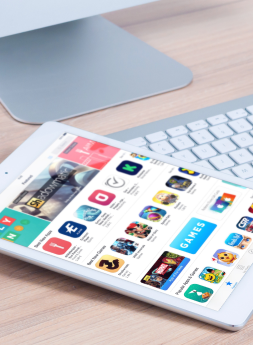
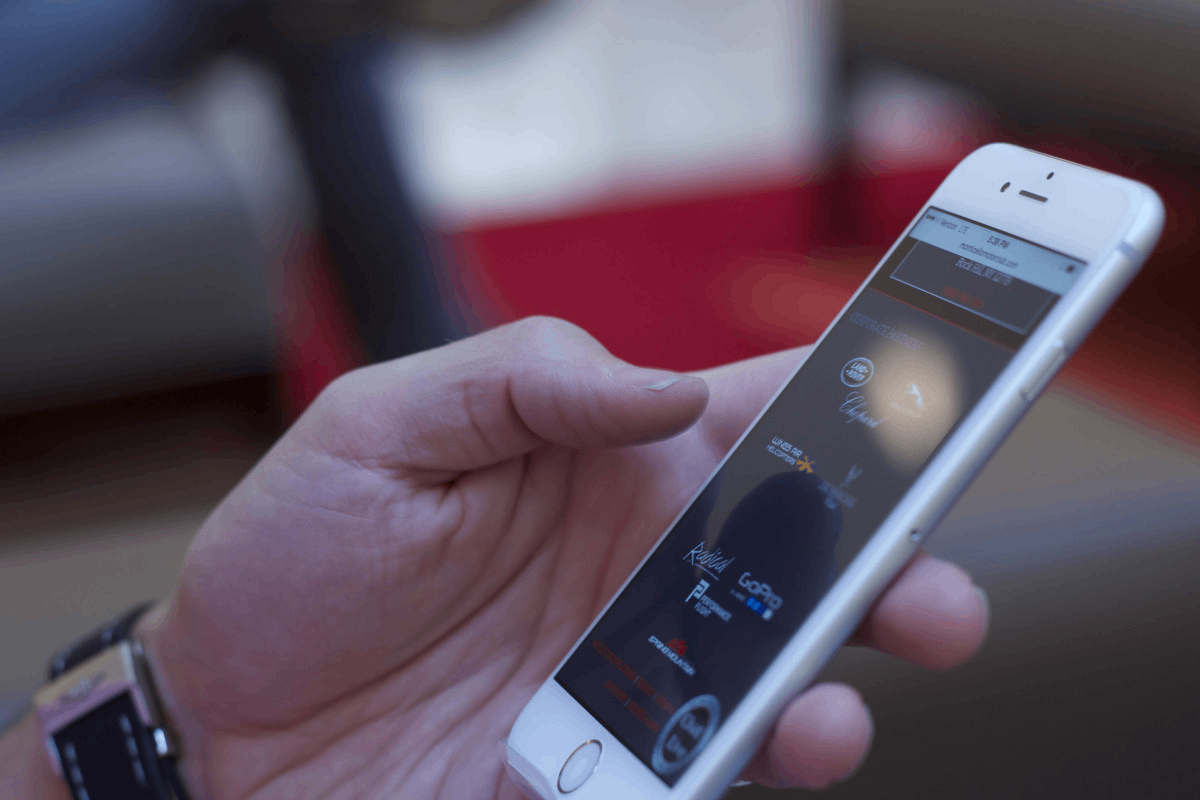
Mobile event apps
An event app turns a smartphone into a personal concierge for attendees: agendas, maps, live polls, messaging, and venue alerts — all in one pocket-sized place. Apps can also host on-demand content after the event to extend lifetime value.
Push notifications and personalization
Push alerts deliver timely changes and personalized recommendations without being intrusive.
Live streaming and hybrid event tech
Hybrid events rely on high-quality streaming and interactive platforms; the remote experience must be intentionally designed.
AR/VR and immersive experiences
Want to make your exhibition booth unforgettable? Augmented and virtual reality create immersive product demos and virtual booths that broaden reach beyond the physical floor.
RFID, NFC, and beacon technology
RFID badges and beacons track movement, speed up check-in, and provide heatmaps for layout decisions.
AI & data analytics
AI helps personalize agendas, recommend relevant exhibitors, analyze sentiment in real time, and forecast attendance. It turns raw event data into actionable insights — think smart recommendations a la streaming platforms, but for sessions and matches.
IoT & smart venues
Sensors manage comfort, control lighting, count visitors, and help with energy efficiency.
Payment, security, and identity verification
Contactless payments and secure kiosks keep transactions smooth; choose PCI-compliant systems to minimize risk.
Planning and Logistics: Transformations Enabled by Tech
Scheduling and resource allocation
Automated scheduling tools eliminate double-bookings for rooms, AV gear, or demo slots. They keep everything in sync.
Floorplanning and space utilization
Digital floorplans and 3D tools help design booths and traffic flow before setup.
Supplier and vendor coordination
Cloud collaboration tools keep vendors in sync and reduce errors.
Enhancing Attendee Experience
Personalization at scale
Personalized agendas and AI recommendations create a curated experience that increases value.
Engagement and interactivity
Live polling, Q&A, gamification, and matchmaking turn spectators into participants and drive sharing.
Networking made easier
Smart matchmaking and private messaging foster meaningful connections. It’s like giving each attendee a professional wingman.
Accessibility and inclusivity
Captioning, translation tools, and app-based assistance ensure events are welcoming to people with different needs and languages.
Monetization and Sponsorship Opportunities
Data-powered sponsorship packages
Offer sponsors heatmaps and engagement metrics rather than vague attendance numbers. Data-backed sponsorships attract higher fees because the value is provable.
Digital signage and programmatic ads
Dynamic screens and targeted digital ads create new revenue streams while improving attendee relevance.
Lead retrieval and post-event nurturing
Digital lead capture via badge scans or QR codes feeds CRM systems, enabling fast follow-up and measurable ROI. Automated nurture campaigns increase conversion rates after the event.
Risk Management and Security
Crowd management and safety
People counting and flow analytics help prevent bottlenecks and optimize routes.
Health protocols
Contactless check-in, health attestation apps, and scheduled sanitation systems build attendee trust and ensure compliance.
Cybersecurity and data privacy
Events collect personal and financial data; encryption, secure payment gateways, and compliant data handling aren’t optional — they’re required. Build simple privacy notices and consent flows to stay transparent and lawful.
Sustainability and Green Events
Digital materials over print
Mobile apps replace paper schedules and enable tracking of digital catalogs.
Energy-saving smart venues
IoT systems optimize HVAC and lighting, reducing energy consumption during events.
Virtual attendance as a sustainability tool
Offering virtual or hybrid attendance options reduces travel emissions and makes events accessible globally.
Hybrid Events: The New Normal for Exhibitions / Events
Designing for both audiences
Successful hybrid events serve both in-person and virtual attendees with distinct content and networking channels.
Measurement across channels
Measure engagement across physical and online channels to assess total impact.
Step-by-step Implementation Roadmap
Phase 1 — Discovery
Audit processes and map attendee journeys to find pain points.
Phase 2 — Plan and prioritize
Set KPIs and prioritize features.
Phase 3 — Choose vendors
Shortlist integrable tools with good support.
Phase 4 — Pilot
Run a small pilot to iron out issues.
Phase 5 — Train and rehearse
Train staff and rehearse key flows.
Phase 6 — Launch and support
Provide on-site and remote support.
Phase 7 — Analyze and iterate
Analyze KPIs, collect feedback, and iterate.
Common Challenges and How to Solve Them
Resistance to change
Involve stakeholders early, run demos, and show quick wins to build buy-in. Celebrate small victories to maintain momentum.
Budget constraints
Start with core tools, phase rollouts, and measure impact to justify investment. Consider revenue-sharing vendor deals for pricey tech.
Vendor lock-in and interoperability
Choose vendors that support open APIs and exportable data. Avoid proprietary silos by insisting on data portability clauses.
Data overload
Turn raw data into dashboards and simple KPIs tied to your goals.
Key Performance Indicators (KPIs) for Tech-enabled Events
Attendance and registration metrics
Conversion rates, no-show rates, and where registrants came from help optimize marketing spend.
Engagement metrics
Session attendance, app opens, poll participation, and average dwell time show how compelling your content is.
Lead and revenue metrics
Qualified leads, sponsor conversions, ticket revenue, and post-event sales quantify financial success.
Satisfaction and sentiment
NPS, survey scores, and sentiment analysis help shape the qualitative side of success.
Quick Wins and Case Ideas
QR-enabled brochures
Swap printed flyers for QR codes that open multimedia content. Track scans to measure interest.
Live polling in sessions
Boost interaction and collect instant feedback. Use results to shape the next session in real time.
Badge-scanned lead capture
Enable exhibitors to gather legitimate leads with minimal friction. Integrate leads directly into sales CRM.
Mini case ideas — small experiments with big impact
Small pilots can demonstrate ROI quickly. For example, run a weekend pop-up with QR-enabled brochures to compare engagement versus printed flyers. Or test a single-session live stream for remote attendees and measure online sign-ins and chat participation. Even simple moves — adding one interactive poll in a keynote — can boost engagement and provide data to share with sponsors.
Looking ahead — where Events are going
Events will keep blending physical and digital elements, but the winners will be those who prioritize experience over gadgets. Expect smarter personalization, more seamless hybrid integration, and a stronger emphasis on privacy and sustainability. The next wave will focus on meaningful metrics — not vanity numbers — and on using tech to amplify human connection rather than replace it.
Conclusion
Technology has turned Events from logistical puzzles into finely tuned experiences. From planning and logistics to attendee engagement and sponsorship monetization, the right tools help organizers deliver better outcomes with less stress. Start small, measure impact, and scale what works — technology multiplies your effort but demands intentional choices. Treat tech as a partner, not a box to tick, and your next exhibition or event will deliver real value for attendees and sponsors alike.
FAQs
Q1: What is the single most important tech for Events?
A1: It depends on your goals, but an integrated event management platform that handles registration, communications, and reporting often delivers the biggest immediate value.
Q2: Are hybrid events worth the cost?
A2: Yes — hybrid events expand reach and create additional revenue channels. Costs can often be offset by virtual ticket sales and digital sponsorships.
Q3: How can small exhibitors benefit from event tech?
A3: Small exhibitors can use QR codes, affordable lead retrieval apps, and simple analytics to measure ROI without a massive budget.
Q4: Is attendee data safe with event apps?
A4: It can be if you choose vendors that follow encryption standards and privacy regulations. Always review data policies and contracts.
Q5: How do I measure success for a hybrid exhibition?
A5: Use a mix of registration metrics, engagement rates (both live and virtual), lead quality metrics, and sponsor satisfaction to get a full picture.
Plan smarter, execute better—ExhibitionCrew.com delivers expert event management solutions tailored for exhibitions and events.
From innovative strategies to seamless execution, trust ExhibitionCrew.com to make your events truly unforgettable.