
Every trade show has them: booths that people walk past without a second glance, and booths that pull crowds the way a good restaurant pulls hungry diners off the street. The difference rarely comes down to budget alone. It comes down to intention, craft, and the kind of planning that happens long before the first panel gets loaded onto a truck.
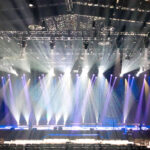
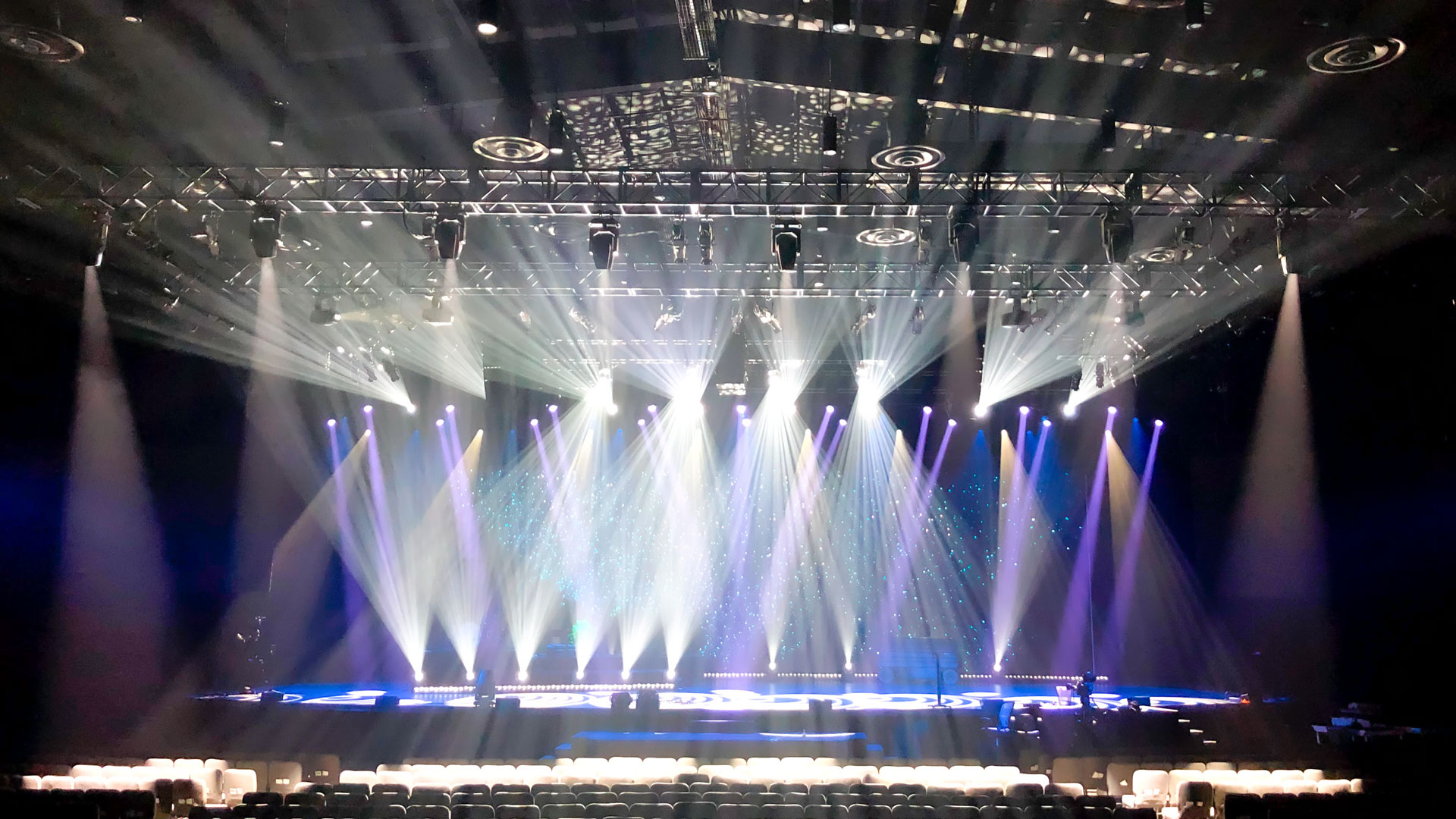
If your company is gearing up for a major exhibition, whether it’s a regional industry summit or a national conference, the decisions you make in the months before the event will shape every moment of the experience. Businesses that have worked with production teams specializing in stage lighting orlando know firsthand how something as specific as light temperature can change the entire mood of a booth and, more importantly, change how visitors feel the moment they step inside.
The Planning Phase Is Where Brands Either Win or Lose
Most exhibitors underestimate how much work happens before the event even opens its doors. The brands that consistently stand out at trade shows treat the planning phase with the same seriousness they’d give a product launch. That means detailed conversations about the audience, the space, the messaging hierarchy, and the physical flow of the booth.
A well-designed exhibition stand doesn’t just look good in photographs. It guides visitors naturally from the entrance to the conversation point, from the display to the product demo, without anyone feeling rushed or confused. That kind of intuitive layout is designed deliberately, not stumbled into.
Working with an experienced fabrication team early gives brands the flexibility to experiment with ideas before they’re locked into materials and measurements. Changes are inexpensive on paper. They’re considerably more painful once construction has started.
Design That Works for People, Not Just for Cameras
There’s a version of booth design that’s built entirely for the hero shot, the wide-angle photograph that looks stunning in a post-event recap. Those booths often struggle in practice. The signage is too high to read in a crowded hall. The displays are beautiful but impractical. The lighting washes out the product instead of highlighting it.
The most effective booth designs are built around how real people move and behave in trade show environments. Visitors are often tired, mildly overwhelmed, and working through dozens of competing priorities. A booth that respects their attention, gives them something genuinely interesting to engage with, and makes it easy to start a conversation will outperform a visually elaborate display that offers no clear reason to stop.
This means thinking carefully about scale, sightlines, and sensory experience. What does someone see from thirty feet away? What draws them closer? What do they notice at arm’s length? Each of those distances tells a different part of your story, and the best designs account for all three.
Fabrication Quality Is a Business Decision, Not Just an Aesthetic One
There’s a temptation to cut costs on booth construction, especially for companies that are newer to the trade show circuit. It’s understandable. The expenses add up quickly, and it can be hard to justify investment in something that exists for only a few days.
But the physical quality of your booth communicates directly about the quality of your brand. Warped panels, poorly finished edges, uneven graphics, lighting rigs that flicker or cast unflattering shadows: these details register with visitors even when they’re not consciously evaluating them. Perception works fast, and it’s difficult to build trust in a three-minute conversation when the environment around you is undermining confidence before a word is spoken.
Professional fabrication means materials that travel well, structures that assemble cleanly under event-day pressure, and finishes that hold up across multiple days and varying venue conditions. It’s an investment in consistency, and consistency is what makes a brand look like it has its act together.
The Role of Event Production in Visitor Engagement
A static display, no matter how beautiful, has limits. The brands that generate real buzz at trade shows tend to create experiences that have some element of movement, interaction, or performance built in. That might mean a live product demonstration on a small stage, a scheduled presentation with professional audio and lighting, or an interactive element that invites visitors to participate rather than just observe.
Event production brings those moments to life. The right production team handles the technical infrastructure that most marketing teams don’t want to think about: power distribution, audio zones, LED walls, rigging, scheduling, and contingency planning for the inevitable surprises that come with live events.
When production and design work together from the start, the result is a booth that feels cohesive rather than assembled from separate decisions. The lighting reinforces the brand palette. The audio is clear without bleeding into neighboring booths. The stage, if there is one, sits at exactly the right height for visibility from the main aisle.
Brand Visibility Beyond the Booth Footprint
Smart exhibitors think about visibility that extends beyond the walls of their assigned space. Wayfinding signage, branded charging stations, sponsored coffee areas, and event partnerships can all extend a brand’s presence into the broader show floor in ways that feel helpful rather than intrusive.
This kind of strategic visibility requires planning well in advance and a clear understanding of what the event organizers allow. An experienced exhibition team can identify those opportunities early and help brands take advantage of them without running into logistical or regulatory problems on-site.
Making the Most of Every Visitor Interaction
The booth is the stage. The real work is what happens in conversation. Businesses that invest in great design and then send their team to the show without clear messaging, defined talking points, or a follow-up system in place are leaving the most valuable part of the investment on the table.
Visitor engagement should be thought through with the same care as the physical design. What’s the opening question that starts a conversation without feeling like a sales pitch? What’s the one thing every visitor should leave knowing about your company? What happens after they walk away?
Building Something Worth Showing Up For
Trade shows are a significant investment of time, money, and organizational energy. The brands that get the most from them treat every element of the experience as an extension of their values: the design, the production, the conversations, and the follow-through.
When the planning is thorough, the fabrication is solid, and the production brings everything together with precision, the result is a booth that people remember. That kind of presence doesn’t happen by accident. It’s built, piece by piece, by people who understand what it takes to make a brand show up well in a crowded room.