
Introduction — Why this matters to exhibitions & events people
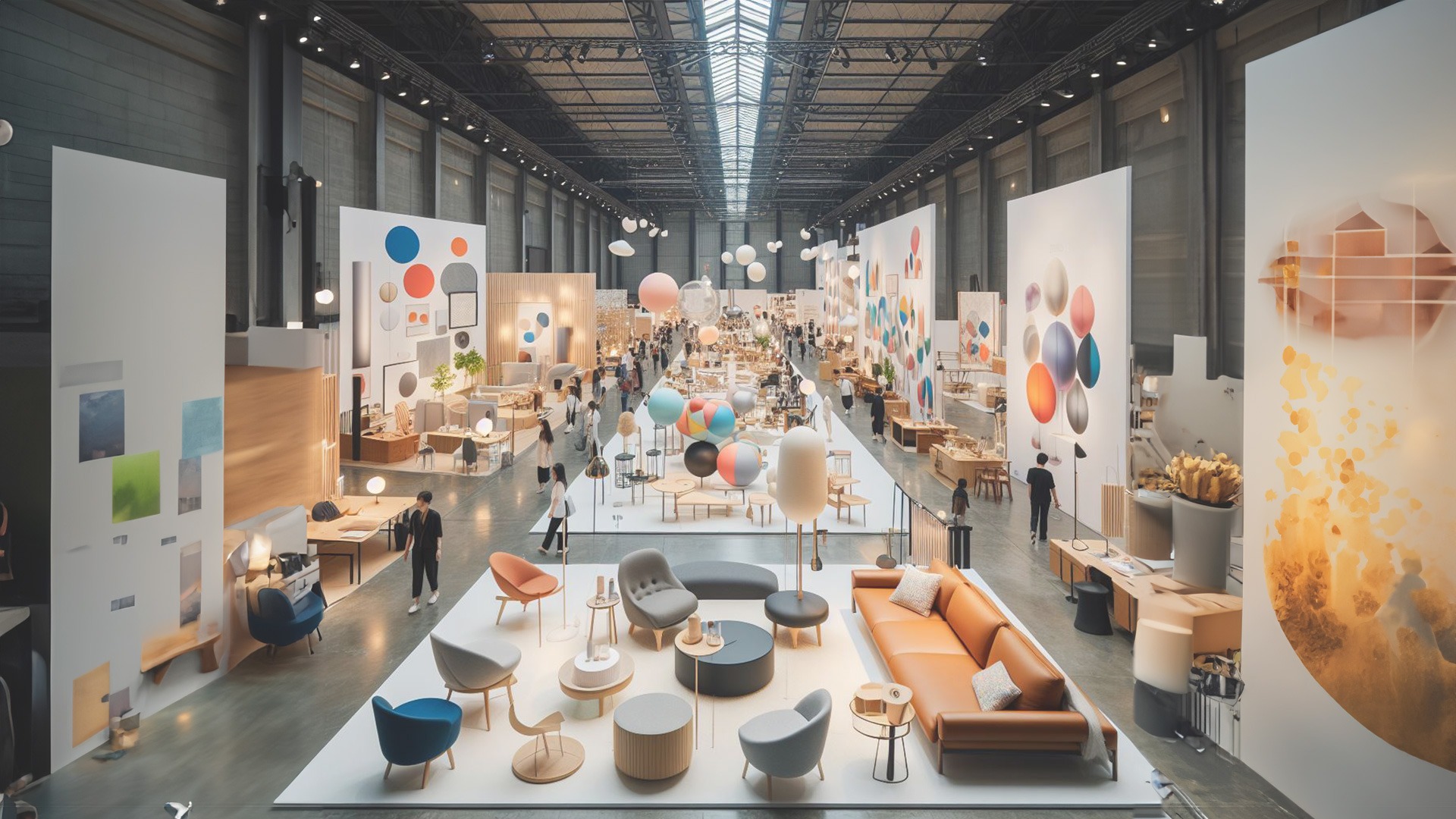
2024 was the year exhibition design stopped being just “pretty shells” and became a full-blown experience economy. If you run exhibitions, manage events, or design booths, you felt it: attendees expect more than brochures — they want engaging, meaningful, measurable moments. Think of an exhibition as a mini-city where the architecture, technology, and scent all decide whether visitors stay, remember you, and convert. This guide walks you—step by step—through the biggest trends that shaped exhibition design in 2024 and how you can apply them right now.
Why Exhibition Design Matters in 2024
Design is no longer décor. It’s a conversion tool, a data engine, and a sustainability statement. A well-designed exhibition space improves dwell time, increases social shares, and reduces waste (yes, design can help the planet and your bottom line). In short: great design = better outcomes. If you approach your next exhibition like an experience designer, you’ll see metrics improve: leads, time-on-stand, and brand recall.
Quick Snapshot: Top Trends at a Glance
- Sustainability & circular materials.
- Immersive tech (AR/VR/holograms) and multi-sensory moments.
- Hybrid events and seamless digital + physical experiences.
- AI personalization and data-driven journeys.
- Modular, reusable booths to cut costs and waste.
Sustainability & Circular Design
What it means for your exhibition
“Sustainable” stopped being optional in 2024. Organizers and attendees expect lower-impact builds, recyclable graphics, and eco-friendly swag. That includes choosing materials with a second life (reclaimed timber, paper pulp panels, hemp composites) and designing booths that can be disassembled and reused.
Materials to consider (quick wins)
- Paper pulp or corrugated display walls for temporary zones.
- Modular aluminum frames with replaceable graphic panels.
- Biodegradable or easily reusable promotional items.
Tip: Ask vendors for a simple life-cycle overview — how long will it last, and can it be used again?
Giveaways & Swag: smarter choices
Low-waste giveaways performed better: utilities (cable organizers, reusable bottles) > throwaway trinkets. Consider digital swag (discount codes behind an NFC tag) to cut waste and still delight visitors.
Immersive & Experiential Design
AR / VR / Holograms — not sci-fi anymore
In 2024, exhibitors doubled down on immersive tech to turn passive viewers into active participants. AR overlays that let visitors “see” a product in real scale, VR demos for remote product testing, and holographic product previews became mainstream tools to tell brand stories. These tools aren’t just flashy; they increase dwell time and social shares.
Multi-sensory design: smell, sound, touch
The most memorable booths used multiple senses: tactile product zones, curated soundscapes, and even scent to anchor memories. Think of your exhibition like a theatre set — every element cues an emotion.
Hybrid & Digital Integration
Why hybrid persistence?
Hybrid events were no longer a pandemic necessity — they were a reach amplifier. Live streams, simultaneous virtual booth experiences, and on-demand content let brands extend exhibition life beyond the floor. If you can’t bring 10,000 people to your stand, bring the stand to 10,000 people.
Practical hybrid elements to add now
- A compact broadcast nook for 10-minute live demos.
- QR codes that launch virtual product tours.
- Virtual meeting rooms that mirror your physical booth for remote appointments.
AI & Personalization
From generic messaging to one-to-one micro journeys
AI in 2024 helped personalize attendee journeys: pre-event matchmaking, on-site recommendations, and post-event content sequencing. Use AI to predict which visitors are high-value, guide them to the right zone, and follow up with tailored content. This is where data becomes design.
Smart matchmaking & automation
Deploy a short intake form or badge scan to tag visitor interests and use that data to trigger in-booth demos, send tailored digital packets, or schedule a 1:1. The result: warmer leads and less spray-and-pray marketing.
Modular, Reusable & Budget-Friendly Builds
The rise of flat-pack brilliance
Modular systems let you build fast, ship cheap, and reconfigure for multiple shows. 2024 saw an uptake in flat-pack displays and pop-up systems that look premium but are reusable — perfect for smaller teams and tighter budgets.
ROI tips for modular design
- Standardize anchor pieces you keep for years (lighting rigs, frames).
- Swap graphics per show to refresh visuals without rebuilding.
- Negotiate storage and refurbishment clauses with your booth builder.
Biophilic & Well-being-focused Design
Why plants and comfort matter
Biophilic elements (real plants, natural textures, daylight simulation) reduce stress and increase time-on-stand. In a loud trade floor, a calming green nook can become a mini-sanctuary where conversations deepen. Use acoustic panels and soft seating to encourage meaningful chats, not just fast passes.
Lighting, AV & Micro-Experiences
LED, pixel walls, and tiny theatrical moments
LED walls and smart lighting continued to dominate — but with smarter intent. Motion-triggered lighting and small projection mapping moments make micro-experiences that reward exploration. These are inexpensive ways to create “Instagramable” corners without a full tech overhaul.
Micro-staging ideas
- 90-second demo loop with dedicated seating.
- A “before & after” AR overlay photo spot.
- A feature light that gently shifts color to guide traffic.
Graphics, Color & Brand Storytelling
From billboard to narrative
2024’s booths used graphics to tell short brand stories rather than list specs. Think vignettes — zones that each deliver one message. Bold color blocking, large typography, and photo-realistic printed backdrops were common at major shows. Use signage to answer the first questions a visitor has: “Who are you?” and “What do you want me to do?”
Accessibility, Inclusivity & Safety
Good design works for everyone. Wider aisles, low counters, clear typefaces, and audio descriptions for demos expand your audience and reduce friction. Put accessibility on your checklist before you design to avoid expensive fixes later.
Data Capture, Privacy & Measurable ROI
Capture respectfully
2024’s savvy exhibitors focused on value exchange: if you ask for data, give something valuable back (personalized content, immediate demo access, or a useful download). Be transparent about data use and keep privacy front and center — attendees are more willing to exchange details when they trust you.
Practical Checklist: What to Prioritize for Your Next Exhibition
- Define the one thing you want visitors to remember.
- Build modular components that can be reused at different sizes.
- Include at least one immersive tech touchpoint (even if low-tech).
- Choose sustainable materials or reusable swag.
- Add a small broadcast area for hybrid reach.
Quick Case Examples & Micro-Fixes You Can Do Today
- Cozy corner: Swap one product wall for a lounge with 2 chairs and a 10-minute live demo slot. Result: longer, more meaningful conversations.
- AR spec sheet: Use a QR code to launch a quick AR model of your product; no heavy hardware required.
- Green swap: Replace single-use giveaways with a digital coupon accessed through badge scan — cut waste and capture an email.
Budgeting & Vendor Tips: Where To Spend and Where To Save
Spend on: lighting, a single immersive moment, and data capture.
Save on: novelty swag, overly complex set pieces that can’t be reused, and too many printed leaflets. Negotiate multi-show rates, ask about refurbishment, and ask vendors for sustainability credentials.
Conclusion
2024 turned exhibition design into a strategic discipline: half psychology, half engineering. Focus on sustainable builds, modular reuse, immersive micro-moments, and measurable digital integration. Start small — pick one trend to adopt at your next exhibition (for example: a hybrid touchpoint or a modular reusable backdrop) and iterate. The future of exhibition design is less about jargon and more about meaningful experiences that are kinder to budgets and the planet.
Frequently Asked Questions (FAQs)
Q1: What’s the #1 change exhibitions must make after 2024?
A: Prioritize reusability and sustainability in booth design—modular systems reduce cost and waste while maintaining visual impact.
Q2: Do immersive technologies actually increase leads at exhibitions?
A: Yes — AR/VR and interactive demos increase dwell time and social sharing; when paired with smart lead capture, they boost conversion rates.
Q3: How can a small team implement hybrid features without a big budget?
A: Add a compact livestream nook, use QR-based virtual tours, and repurpose a tablet for remote meetings. These are low cost and high impact.
Q4: Which materials are best for low-environmental impact exhibits?
A: Reclaimed wood, paper pulp panels, hemp and other plant-based composites, and modular aluminum frames are great options. Ask vendors for lifecycle info.
Q5: How do I measure ROI for design changes like immersive features?
A: Track dwell time, scan/lead capture rates, on-site meeting numbers, and post-event content engagement. Compare those metrics to previous shows to quantify impact.
From concept to on-site delivery, ExhibitionCrew offers creative booth design, green materials, and seamless hybrid integration.