
Introduction: Why Exhibitions Matter
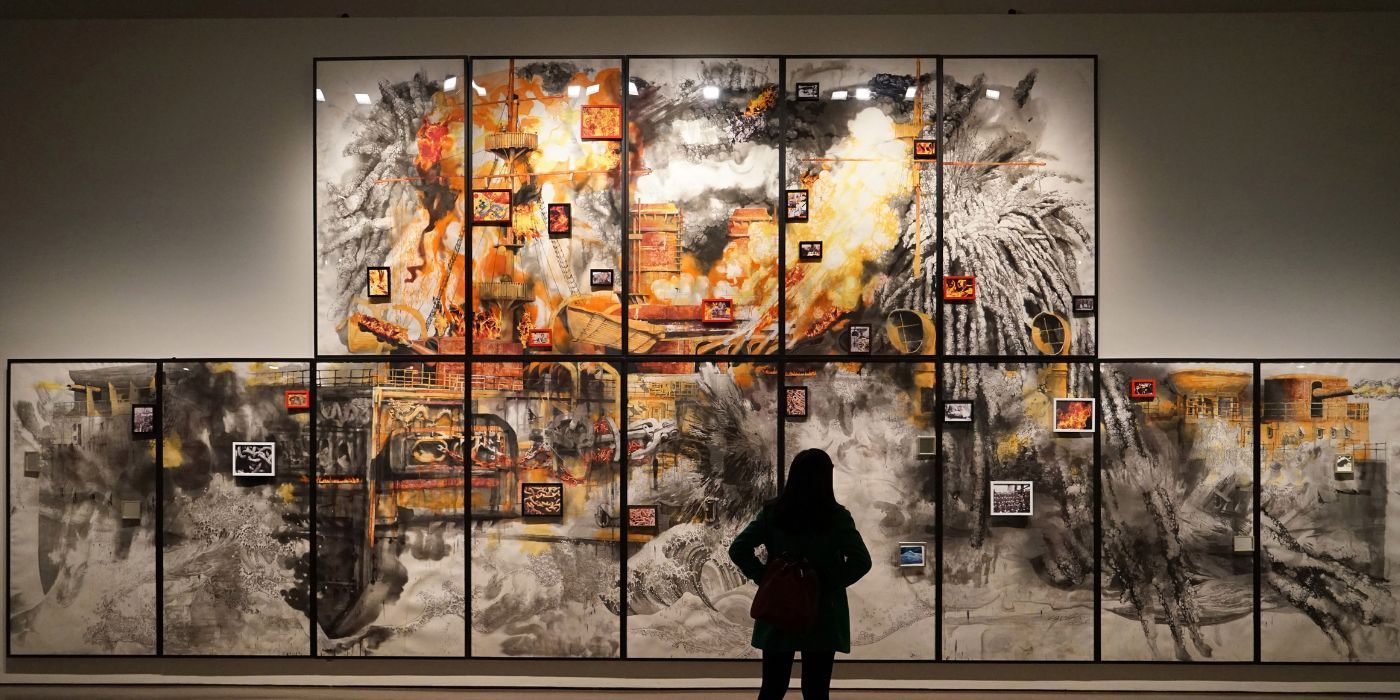
Have you ever walked into a gallery and felt like you’d stepped into someone’s mind? That’s exhibitions doing their job — turning ideas into shared spaces where people meet art, debate meaning, and leave changed. Exhibitions are not just displays of objects; they’re social machines that educate, provoke, sell, heal, and sometimes even rewrite history. For anyone working in exhibitions and events, understanding their impact isn’t optional — it’s mission-critical. In this article we’ll unpack how exhibitions shape artists’ careers, influence public taste, drive local economies, and evolve with technology — all while staying practical for event professionals.
Historical Role of Exhibitions
Exhibitions have been around in various forms for centuries. Think of the salons in 18th- and 19th-century Europe, or the grand World’s Fairs that paraded inventions and national pride across continents. These are the antecedents of today’s museum shows and biennales: public stages that announce what matters culturally.
From Salons to Biennales
Salons were early platforms where artists were shown (and judged) publicly. Fast forward to biennales and triennials — large, cyclical exhibitions that act like cultural barometers. These events still set agendas, spotlight trends, and influence which artists and ideas enter the global conversation.
World’s Fairs and Cultural Exchange
World’s Fairs were the original cross-border mashups: nations showcased tech and culture, visitors absorbed new aesthetics, and whole industries found markets. The lesson remains: exhibitions are powerful engines for cultural exchange and for shaping how societies imagine progress.
Exhibitions as Platforms for Artists
If artists are seeds, exhibitions are the soil and sunlight. A well-timed show can launch a career; a poor one can bury serious work under bad interpretation.
Discovery and Career Launches
For many artists, a first major exhibition leads to gallery representation, press attention, and collector interest. Curators and festivals often act as talent scouts; their platforms confer legitimacy and visibility. That’s why curatorial selection matters so much — it’s not just aesthetic judgment, it’s career-making.
Experimentation and Risk-taking
Exhibitions also offer safe-ish spaces to test ideas. Installations, performance pieces, and time-based works often need the infrastructure and audience that exhibition spaces provide. Think of exhibitions as laboratories where risk is permitted and sometimes rewarded.
Shaping Public Perception and Taste
Exhibitions don’t just show art — they interpret it. The way work is curated, labeled, and arranged steers how audiences understand meaning.
Curatorial Narratives and Storytelling
Curators tell stories through selection and sequencing. A theme, a single unifying object, or a provocative juxtaposition can change how visitors read an artist’s practice or a movement. Good curation acts like a translator: it helps audiences hear the artist’s voice without losing their own.
The Role of Labels and Wall Text
Small but mighty: labels and wall texts shape first impressions. The right phrasing invites curiosity; the wrong phrasing shuts a visitor down. For exhibitions aimed at broader audiences, plain-language labels often boost engagement without dumbing down content.
Education and Audience Development
Exhibitions are teaching tools — for schools, families, and lifelong learners. They build cultural literacy by connecting artworks to broader histories, social issues, and creative practices. Outreach programs, guided tours, and interactive elements extend this impact beyond the gallery walls.
Economic and Cultural Ecosystem
Exhibitions sit at the confluence of culture and commerce. They affect local economies, art markets, and the livelihoods of artists and cultural workers.
Galleries, Museums, and Local Economies
A major exhibition can be a city’s magnet: visitors come, they dine, they stay in hotels, they buy local crafts. Museums and fair organizers often partner with tourism boards because exhibitions directly benefit the wider economy.
The Market: Collectors, Sales, and Valuation
Exhibitions also affect market perception. A museum show or a buzzed-about fair can raise an artist’s profile and, by extension, their market value. For galleries and event organizers, that linkage is both an opportunity and a responsibility: programming decisions ripple into artists’ financial futures.
Community Engagement and Social Impact
Beyond markets, exhibitions can be tools for civic life. They can build community identity, provide healing spaces, and amplify underrepresented voices.
Accessibility and Inclusion
Accessibility isn’t only ramps and audio guides — it’s about who is represented on the walls and who feels welcome inside. Inclusive exhibitions design for diverse ages, languages, abilities, and cultural backgrounds. That can mean multilingual panels, pay-what-you-can days, or community-curated projects.
Socially Engaged and Political Exhibitions
Exhibitions often tackle pressing issues — migration, climate change, identity politics. When done well, they create a shared space for reflection and debate. When handled poorly, they can tokenize communities or flatten complex narratives. The line between engagement and exploitation is thin; organizers must be intentional and ethical.
Technology and the Future of Exhibitions
Technology is changing the playbook — not replacing exhibitions, but expanding their reach and form.
Virtual Exhibitions and Digital Access
Virtual tours and online catalogues make exhibitions accessible to global audiences. They’re not substitutes for in-person experience, but they extend reach and provide archival value. For events professionals, a hybrid strategy — real-world show plus strong digital presence — often yields the best ROI.
AR, VR and Immersive Experiences
Augmented reality (AR) apps, VR installations, and immersive projection shows are turning passive viewing into interactive experiences. These tech layers can deepen engagement — imagine walking through a painting or seeing a sculpture’s making process overlaid on your phone. But beware: tech should serve the content, not overshadow it.
Challenges and Ethical Considerations
Exhibitions aren’t neutral. They involve choices that carry consequences — ethical, cultural, and financial.
Curation vs. Commercialization
When exhibitions become vehicles primarily for sales, curatorial integrity can suffer. Organizers must balance commercial needs (ticketing, sponsors) with cultural missions. Transparency about sponsorship and intent helps maintain trust.
Cultural Appropriation and Representation
Who gets to tell whose story? Exhibitions that borrow from marginalized cultures must do so with permission, context, and collaboration. Token displays or extractive replications harm communities and damage institutional credibility.
Case Studies and Examples (brief)
We don’t need to name a long list to learn the lessons: global biennials, small community pop-ups, and blockbuster museum shows each teach something different. Large international exhibitions demonstrate scale and diplomacy; smaller, grassroots events show how exhibitions can be nimble, local, and deeply participatory. As an event professional, study both extremes — the blockbuster’s logistics and the pop-up’s empathy — and borrow what fits your goals.
Best Practices for Organizers
Want exhibitions that matter? Here are practical rules of thumb.
Designing for Impact
Start with a clear narrative. Decide what you want visitors to feel, learn, or do. Use lighting, sightlines, and pacing to guide attention. And design with different visitor journeys in mind — the family with kids, the specialist, the first-time gallery-goer.
Measuring Success
Don’t rely only on ticket numbers. Track qualitative and quantitative metrics: visitor dwell time, survey feedback, social engagement, media coverage, community partnerships, and downstream artist opportunities. These indicators tell the full story of impact.
Conclusion
Exhibitions are far more than curated collections of objects — they are dynamic gatherings where art, culture, commerce, and community meet. For event organizers and exhibition professionals, that makes your role both creative and consequential. When you design with care — honoring artists, centering visitors, and thinking ethically — exhibitions become engines of cultural change: places that educate, challenge, and inspire. So next time you plan a show, ask not just “What will we hang on the walls?” but “Who will this touch, and how will it matter?”
FAQs
1. What makes a successful exhibition?
A successful exhibition balances clear curatorial narrative, visitor engagement, accessibility, and measurable outcomes (attendance, dwell time, positive feedback). It centers the audience without compromising artistic integrity.
2. How can exhibitions support emerging artists?
By providing visibility, context, and connection to curators, collectors, and press. Offering mentorship, small grants, and residencies linked to shows also builds sustainable careers.
3. Are virtual exhibitions as valuable as physical ones?
They’re valuable in different ways. Virtual shows increase accessibility and archival reach; physical shows offer embodied, tactile experiences. A hybrid approach often delivers the greatest impact.
4. How do exhibitions affect the local economy?
Major exhibitions attract visitors who spend on hotels, food, transport, and retail. Small exhibitions can boost local crafts and community initiatives. Partnerships with tourism and local businesses amplify this effect.
5. How should organizers handle sensitive cultural topics?
Engage communities directly, seek consent, include voice and authorship from represented groups, provide contextual information, and be transparent about curatorial choices.
ExhibitionCrew connects organizers with skilled production crews, curators, and logistics experts to deliver standout exhibitions on time and on budget.Boost your event’s impact — list your project on exhibitioncrew.com to find vetted teams and scale your exhibition with confidence.